

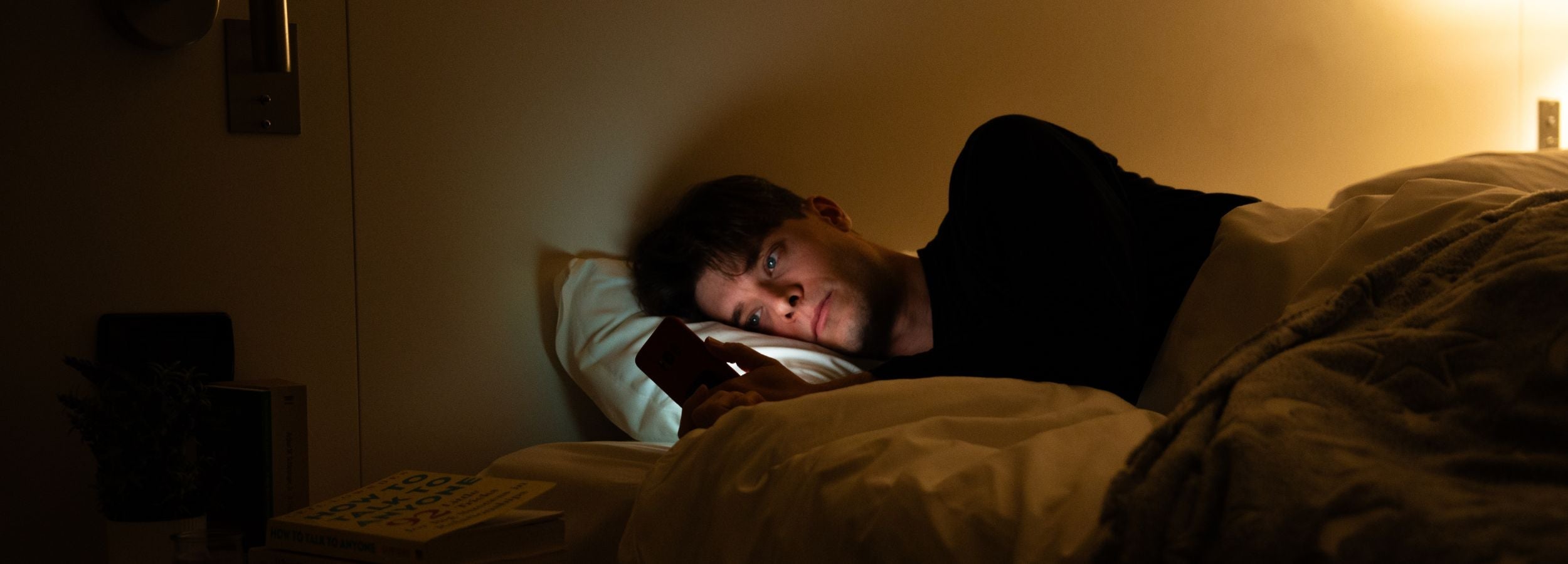
Waking Up at 3AM? 9 Science-Backed Ways to Fall Back Asleep
- Night waking is common, the goal is to reduce arousal so your body can return to sleep.
- Your biggest lever at 3AM is light + attention: keep both low (no bright screens, no clock-checking).
- Use a body-first reset (breath, muscle softening, temperature) rather than “thinking harder.”
- If you’re wide awake for ~20 minutes, do a short, calm reset out of bed, then return when sleepy.
- Not every tip fits everyone, treat this like a menu and keep what feels helpful.
What “3AM wake-ups” actually are
Night waking is the normal pattern of briefly surfacing from sleep between cycles, most people do it, and many don’t remember.
Sleep continuity means how smoothly you move through the night with minimal fully-awake time.
A “3AM wake-up” becomes frustrating when your brain snaps into fully alert mode: you’re awake enough to think, plan, worry, or start negotiating with sleep (“If I fall asleep now, I’ll get 4 hours…”). That mental math is understandable and it’s also activating.
Night waking vs. “problem insomnia”
If you wake up occasionally and drift back off, that’s normal. If you’re waking most nights and struggling to return to sleep, it can still improve with behavioral changes, but it’s wise to talk with a qualified clinician if it’s persistent, severe, or paired with other symptoms.
Why the brain feels louder at night
At 3AM, the world is quiet and dark. With fewer external inputs, your attention naturally turns inward. Add a little stress, a warm room, or a habit of checking the clock, and your body can interpret wakefulness as a “problem to solve.” That problem-solving state is the opposite of sleep.
Common reasons you wake up at 3AM
You don’t need to diagnose yourself—just notice patterns.
Light + circadian timing
Your circadian rhythm (your internal clock) shifts across the night. Even small light exposure like hallway lights, phone screens, a bright bathroom, can signal “daytime” to your brain and make returning to sleep harder.
Temperature drift
Many people fall asleep warm and then wake as the room warms up, bedding traps heat, or their body temperature rises. Sleep is friendlier to a slightly cooler environment.
Stress arousal and mental “checking”
Stress doesn’t have to look dramatic. It can be subtle: anticipating tomorrow, replaying a conversation, checking your to-do list in your head. That mental scanning increases arousal.
Alcohol, late meals, and blood sugar swings
Alcohol can make you sleepy early and then fragment sleep later. Heavy or very late meals can also disrupt comfort and sleep depth for some people.
Bathroom trips and conditioning
If you regularly get up, turn on bright lights, scroll, or eat, your brain learns: “When I wake up, we do stuff.” Over time, the wake-up becomes more frequent.
9 ways to fall back asleep (without making it worse)
1) Don’t check the time
Clock-checking is looking for certainty (“How bad is this?”). The problem: it often turns sleep into a performance test. If you can, turn the clock away or put your phone out of reach before bed.
If you already checked? No punishment. Just return to the next step.
2) Keep lights extremely low
At 3AM, treat light like a volume knob. The lower it is, the quieter your brain stays.
- Avoid overhead lights
- Use a dim amber night light if needed
- Keep screens off (or at least filtered and dim, but off is best)
3) Try a “body-first” downshift
Instead of thinking your way back to sleep, start with the body:
- Let your jaw hang slightly open
- Drop your shoulders away from your ears
- Unclench your hands
- Let your tongue rest soft in your mouth
This signals “no action required.”
4) The cognitive off-ramp: “thought parking”
If your mind is busy, give it a place to put thoughts without solving them.
In your head (no notes app, no bright light), say:
- “Noted.”
- “Tomorrow.”
- “I’m safe; I’m resting.”
Then imagine placing the thought on a shelf. You’re not refusing it—you’re postponing it.
5) A gentle breathing rhythm (no forcing)
Pick a soft, repeatable rhythm that doesn’t feel like work:
- Inhale through the nose for 4 seconds.
- Exhale for 6 seconds.
- Repeat 6–10 cycles.
Longer exhales can be a helpful cue for calming the nervous system. If counting feels activating, drop the numbers and just breathe “a little slower than normal.”
6) Cool the microclimate
You don’t have to freeze the whole room. Try small adjustments:
- One foot out from under the blanket
- Flip the pillow to the cool side
- Loosen one layer (socks off, blanket folded down)
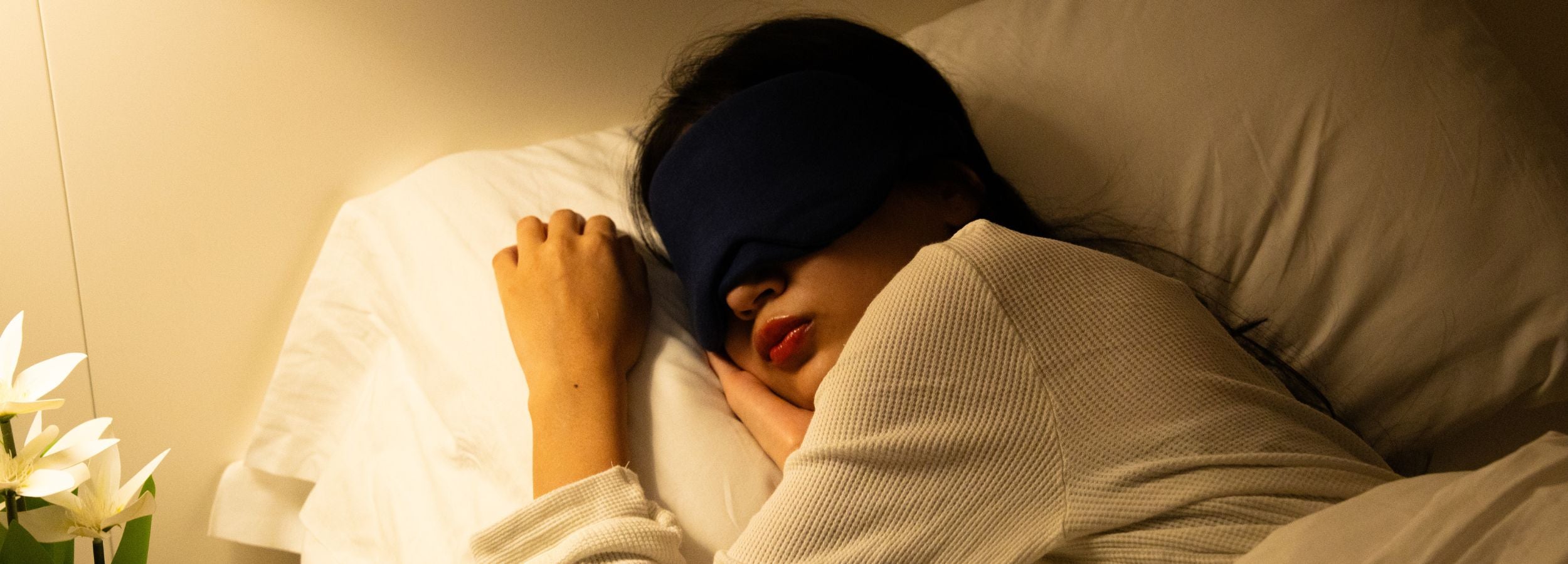
Tiny cooling changes can reduce wakefulness for some people.
7) If you’re awake ~20 minutes, change rooms (briefly)
This is a classic behavioral trick: if you’re wide awake, staying in bed can teach your brain that the bed is a place for thinking.
Keep it boring and dim:
- Sit in a chair with a low light
- Do something quiet (simple stretching, calm audio, a few pages of a paper book)
- Return to bed when you feel drowsy
No “productive tasks.” No email. You’re not starting the day—you’re giving your brain a reset.
8) Reduce “sleep performance” pressure
The more you try to make sleep happen, the more alert you become. Replace “I must sleep now” with:
- “My job is to rest.”
- “Even quiet rest helps.”
- “Sleep will come when the system is ready.”
This isn’t positive thinking—it’s lowering stakes.
9) Adjust tomorrow, not at 3AM
At night, your brain wants quick fixes: Googling symptoms, planning caffeine strategies, rewriting tomorrow’s schedule. Save it.
A smarter move:
- Keep your morning wake time consistent
- Get daylight early
- Keep naps short or skip them if they worsen nights
You’re training your system across days, not negotiating at 3AM.
Try tonight (≤60 seconds): The “No-Problem” Reset
Do this the moment you realize you’re awake:
- Don’t check the time.
- Exhale slowly like you’re fogging a mirror (mouth closed or slightly open).
- On the exhale, soften jaw → shoulders → hands.
- Silently repeat: “Nothing to solve. Just rest.”
-
One small cooling tweak (foot out, loosen blanket, flip pillow).
That’s it. You’re telling your brain: “This wake-up is not an emergency.”
A simple plan for the next 7 nights
Night 1–2: Environment basics
- Clock turned away
- Dim pathway light ready
- Phone out of reach
- One cooling option prepared (lighter blanket or breathable layer)
Night 3–5: Practice the same response
Every wake-up gets the same calm routine:
- Low light
- Body-first downshift
- Short breathing rhythm
- Return to sleep without “solving”
Night 6–7: Fine-tune one variable
Pick just one:
- Reduce late alcohol
- Move dinner earlier
- Adjust room temp/bedding
- Short wind-down (10 minutes) before bed
Keep it small. You’re building trust with your nervous system.
Consistency > intensity
The goal isn’t a perfect night, it’s a predictable, low-arousal response every time you wake. When your brain learns that night waking leads to calm, boring cues, it often stops escalating the moment into a full alert state.
And remember: Not every tip fits everyone. If one strategy feels irritating or “try-hard,” skip it and use another. The best method is the one you’ll actually repeat.
Key takeaways
- Waking up at 3AM is common; the main target is arousal, not willpower.
- Clock-checking and bright light are the fastest ways to make it harder to return to sleep.
- Use body-first tools (softening, breath, cooling) before mental tools.
- If you’re fully awake, a brief, dim reset out of bed can prevent your bed from becoming a “thinking zone.”
- Build change across a week: small adjustments, repeated consistently.
FAQ
Why do I always wake up around 3AM?
Often it’s a mix of sleep-cycle timing plus something that increases alertness (light, temperature, stress, alcohol, or habit). The exact hour matters less than what happens after you wake.
Should I take melatonin when I wake up at 3AM?
Melatonin is typically used for shifting timing (circadian cues), not as an instant sedative. If you’re considering supplements, it’s best to consult a qualified professional—especially if you take other medications.
Is it better to stay in bed or get up?
If you’re drowsy, staying in bed and doing a calm reset is fine. If you feel wired and frustrated for about ~20 minutes, a short, dim change of scenery can help reduce the association between bed and wakefulness.
What should I do if anxiety hits at 3AM?
Treat it like a wave: lower light, slow your exhale, soften muscles, and “park” thoughts for tomorrow. You’re not trying to solve anxiety at night—just reduce activation enough to let sleep return.
Will this fix it instantly?
Sometimes you’ll notice improvement quickly, but for many people it’s gradual. The repeatable response is what matters most.
.%0AUse%20...)
Leave a comment
This site is protected by hCaptcha and the hCaptcha Privacy Policy and Terms of Service apply.