


How to Wind Down Before Bed: A Simple Routine That Supports Sleep Readiness
- Sleep often feels easier when your evening has a transition, not just a stopping point.
- A wind-down routine is a short sequence of calming cues that tells your body and mind the day is ending.
- The most effective routines are simple, repeatable, and easy to do even on busy nights.
- Start with three things: lower stimulation, soften physical tension, and reduce mental momentum.
- Not every tip fits everyone, but a gentle routine can be a helpful place to begin.
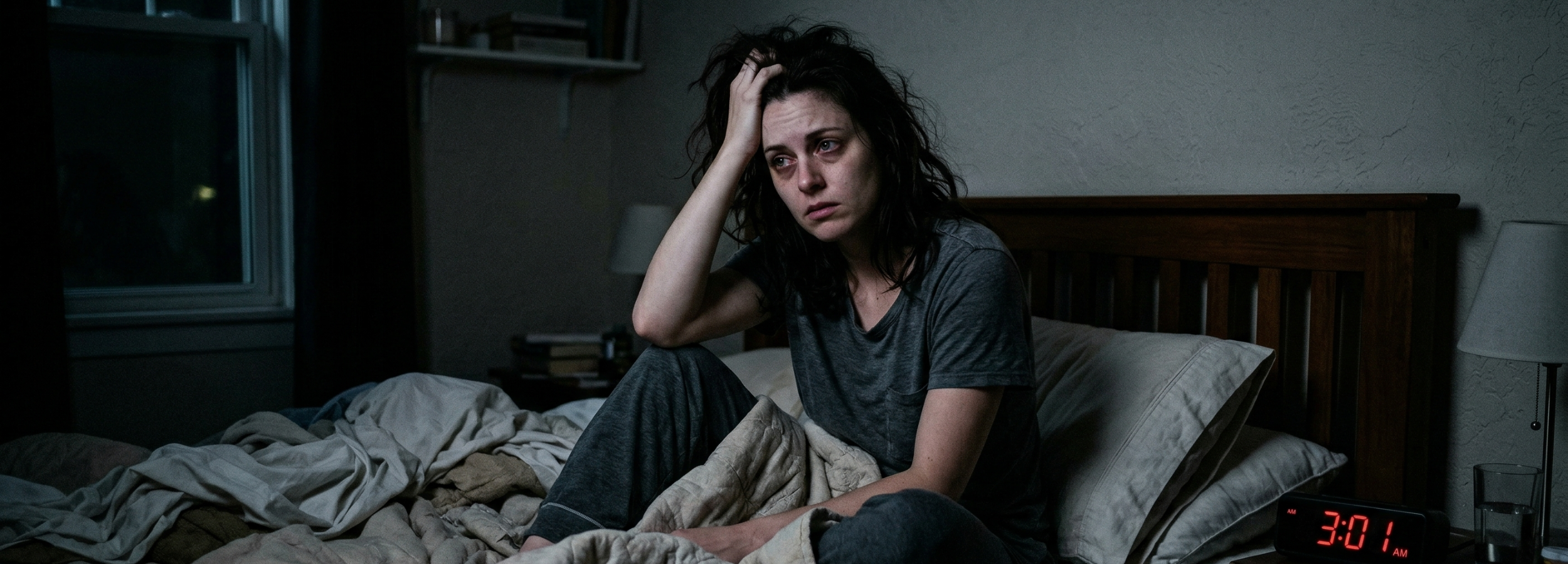
Some nights, the hard part is not getting into bed. It is getting your mind to arrive there too.
You may finish work, put your phone down, brush your teeth, and still feel internally “on.” That does not always mean you are doing something wrong. Often, it means your day ended faster than your nervous system did.
A wind-down routine is a short set of cues that helps create a clearer boundary between daytime activity and nighttime rest. It does not need to be elaborate. It does not need to be perfect. It just needs to be consistent enough to become familiar.
Why winding down matters
Sleep readiness is the feeling of moving toward rest. It is not the same as being exhausted. You can be tired and still feel mentally alert.
A sleep cue is a repeated signal that may help your brain associate certain sensations or actions with bedtime. That cue could be dimmer light, quieter sound, slower breathing, or the familiar order of a simple routine.
In other words, winding down is less about “forcing sleep” and more about reducing friction before it.
That distinction matters. The more pressure you place on sleep, the more effortful bedtime can start to feel. A better goal is to create conditions that support rest.
The 3-part wind-down routine
A practical bedtime routine does three things well:
- It reduces stimulation.
- It releases some physical tension.
- It gives your attention somewhere softer to land.
You do not need a long checklist. You need a few reliable steps.
1) Cue 1: Dim and simplify
Your environment shapes your mental pace more than most people realize.
About 30 to 60 minutes before bed, try making your space quieter in every sense:
- lower bright overhead lights
- reduce tabs, screens, or multitasking
- put tomorrow’s to-dos in one place instead of carrying them mentally
- switch from “catching up” mode to “closing down” mode
This step is important because bedtime often feels difficult when the brain is still receiving signals that the day is active, open, and unfinished.
You do not need a perfectly calm home. You are simply trying to make the next hour feel a little less stimulating than the one before it.
A useful question is: what in my environment still feels like daytime?
That could be harsh light, a scrolling habit, work notifications, loud audio, or even clutter that keeps your attention engaged. Remove one or two of those cues first.
2) Cue 2: Slow the body
A wind-down routine works better when it includes a physical signal, not just a mental intention.
This can be very small:
- unclench your jaw
- drop your shoulders
- exhale longer than you inhale a few times
- stretch your neck, back, or calves
- wash your face or take a warm shower
These actions may help because they shift the body out of “keep going” mode and into something steadier.
You do not need an intense mobility flow or a long ritual. In fact, smaller is often better because it is easier to repeat.
Try tonight:
Set one hand on your chest and one on your stomach. Breathe in gently for 4 seconds, then out for 6 seconds. Repeat three times. That is enough.
Try tonight: a 60-second micro-practice
Here is a version that takes less than a minute:
- Turn off one bright light.
- Relax your shoulders and unclench your jaw.
- Take 3 slow breaths with a slightly longer exhale.
- Say to yourself: “The day is done. I can pick this up tomorrow.”
It is simple on purpose. The goal is not to do more. The goal is to create a repeatable cue.
3) Cue 3: Settle the mind
Many people assume they need an “empty” mind to sleep. Usually, that is not realistic.
A better target is a less engaged mind.
Instead of trying to stop thoughts completely, give your attention a softer job:
- listen to a calming audio track
- read a few pages of something light
- write down tomorrow’s first task
- mentally list three things that are complete for today
- follow a short guided relaxation
This matters because unfinished thinking can keep bedtime feeling active. A small redirect can lower the need to mentally rehearse the next day.
For some people, sound helps. For others, darkness, stillness, or a familiar sensory routine feels more grounding. The best routine is the one your brain does not have to debate every night.
Common mistakes that make bedtime feel harder
One common mistake is making the routine too ambitious.
If your bedtime routine only works on ideal nights, it probably will not last. A routine should still function when you are tired, busy, or slightly off schedule.
Another mistake is treating every restless night like proof that nothing works.
Sleep has natural variability. Stress changes. Schedules change. Energy changes. Not every tip fits everyone, and not every night will feel the same. That does not mean the routine is useless. It means the routine is a support, not a guarantee.
A third mistake is waiting until you feel completely overstimulated before winding down. It is usually easier to step down gradually than to go from full speed to full stillness in five minutes.
How to make the routine stick
Keep the routine attached to what already happens.
For example:
- after your last text, dim the lights
- after brushing your teeth, do three slow breaths
- after getting into bed, start one calming audio track
This reduces decision-making, which matters at night when motivation is low.
You can also make the routine visible:
- place a book on your pillow
- keep a small notepad near the bed
- set a lamp to be your “night signal”
- choose one sensory cue you use regularly
The more obvious the cue, the easier the habit becomes.
Sleep therapist Tony Ho, whose practice at Quadra Wellness in Vancouver is grounded in CBT-I and ACT-I methodology, frames the wind-down not as a rigid checklist but as a set of repeatable cues that tell your nervous system sleep is near. The goal is consistency, not perfection — a few small signals repeated nightly are more effective than an elaborate routine you abandon after three days.
Consistency matters more than perfection
Consistency > intensity.
A two-minute routine you repeat most nights is usually more useful than a 20-minute routine you do once a week.
That is good news, because it means your wind-down routine does not need to look impressive. It just needs to be familiar.
Where gentle sensory cues can fit
Some people find that sensory cues help mark bedtime more clearly. This could be a certain sound, a darker room, a specific breathing track, or a comforting tactile signal like an eye mask.
When used gently, sensory cues can be a helpful part of a repeatable nighttime routine because they make the experience of “it’s time to rest” feel more distinct.
For readers who like a more structured bedtime environment, Shallii is building a comfortable ergonomic sleep mask with a long-lasting aromatherapy cue with interchangeable capsules. It can fit naturally into a wind-down routine for people who prefer a simple sensory signal rather than a long checklist. There is also a free private section with guided sleep meditations, sleep insights, and relaxation sounds.
The key is not adding more for the sake of more. It is choosing cues that feel calming and easy to return to.
A simple bedtime routine to start with
If you want one version to test this week, try this:
- 30 minutes before bed: dim the room and put your phone on passive mode.
- 5 minutes before bed: loosen your shoulders, jaw, and hands.
- In bed: listen to one calming audio or take three longer exhales.
- Repeat the same order tomorrow night.
That is enough to begin.
You can always add more later. But usually, better routines start by subtracting complexity.
Key takeaways
- A wind-down routine is a short sequence of cues that supports the transition into sleep.
- The most useful routines reduce stimulation, soften body tension, and calm mental momentum.
- You do not need a long or perfect ritual to make bedtime feel easier.
- Repeatable cues often work better than intense efforts.
- Start small, stay gentle, and let familiarity do some of the work.
FAQ
What is a wind-down routine before bed?
A wind-down routine is a short set of calming actions that helps signal the end of the day. It may help you feel more prepared for sleep by reducing stimulation and creating consistency.
How long should a bedtime routine be?
It can be as short as one to five minutes. A shorter routine that you actually repeat is often more useful than a longer one that feels hard to maintain.
What should I avoid right before bed?
Many people benefit from reducing bright light, work-related tasks, emotional stimulation, and rapid scrolling close to bedtime. The goal is to make your environment feel less activating.
Can a bedtime routine help if my mind feels busy?
For some people, yes. A routine cannot erase stress, but it may help reduce mental momentum by giving the mind a predictable transition.
Do I need the same routine every night?
It helps to keep the core cues the same, even if the details change. Familiarity can make the routine easier to follow and easier for your brain to recognize.
What if none of these tips feel right for me?
That is normal. Not every tip fits everyone. Try adjusting one cue at a time and keep what feels supportive, simple, and realistic.
A wind-down works best when it's built around consistent sensory cues. Shallii was designed around exactly this idea — combining total blackout comfort, lavender aromatherapy, and a guided night routine by sleep therapist Tony Ho into one repeatable ritual you can start tonight.


Leave a comment
This site is protected by hCaptcha and the hCaptcha Privacy Policy and Terms of Service apply.