

Blog
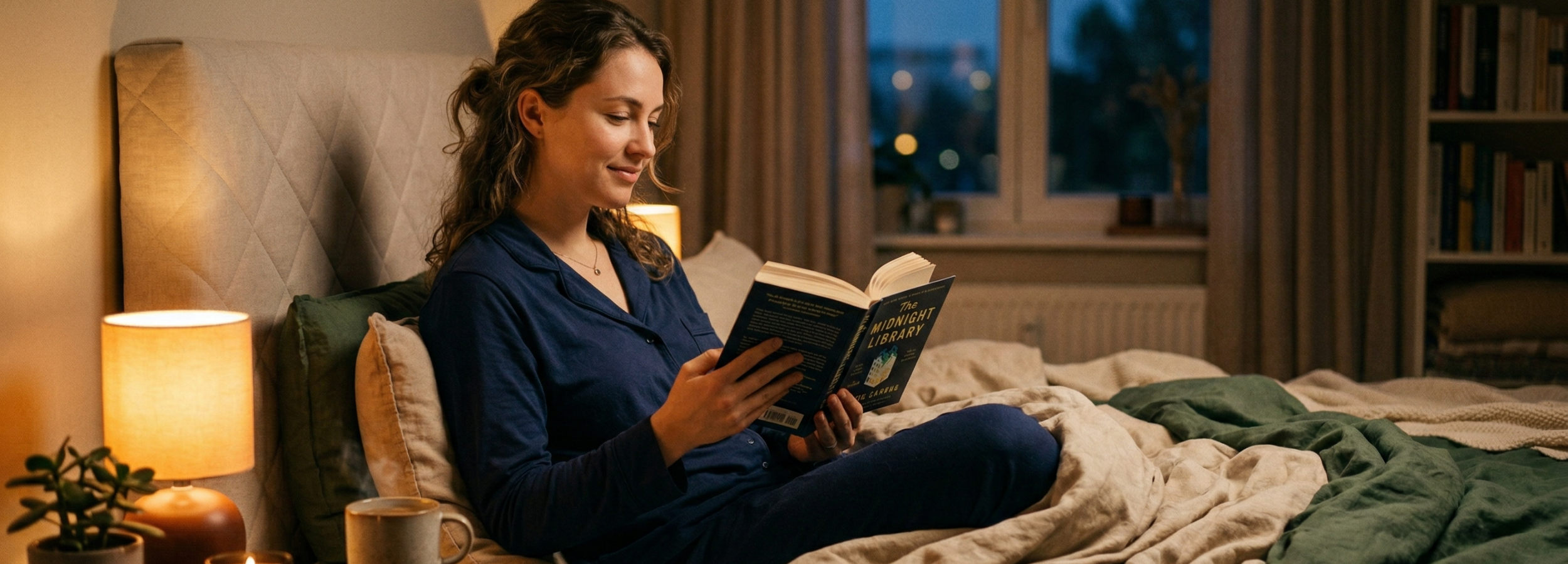
Light at Night: Simple Evening Changes for Better Sleep
Light at night is any bright or stimulating light exposure in the evening that can keep your brain in “day mode.” You do not need a perfect nighttime routine to make evenings feel calmer. A few sm...
Read more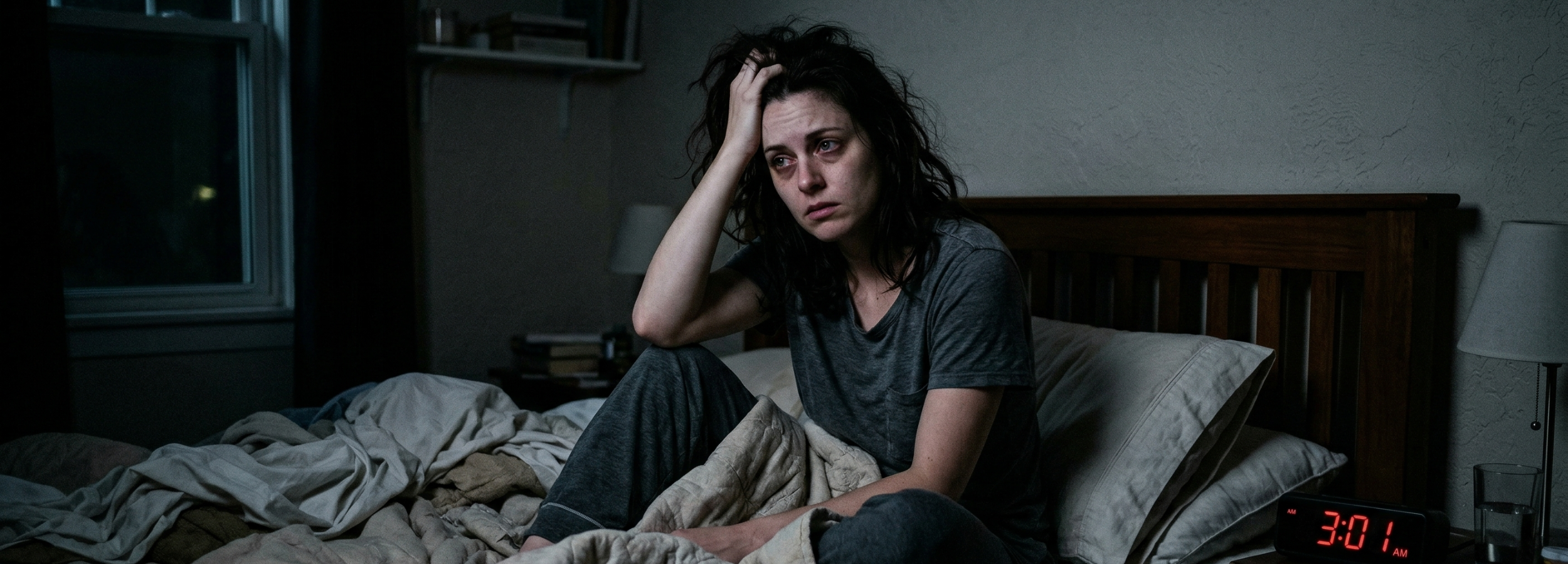
Awake at 3am? What Helps You Settle Again
Waking at 3am can feel frustrating. Learn what may help you settle again, what often makes it worse, and one small practice to try tonight.
Read more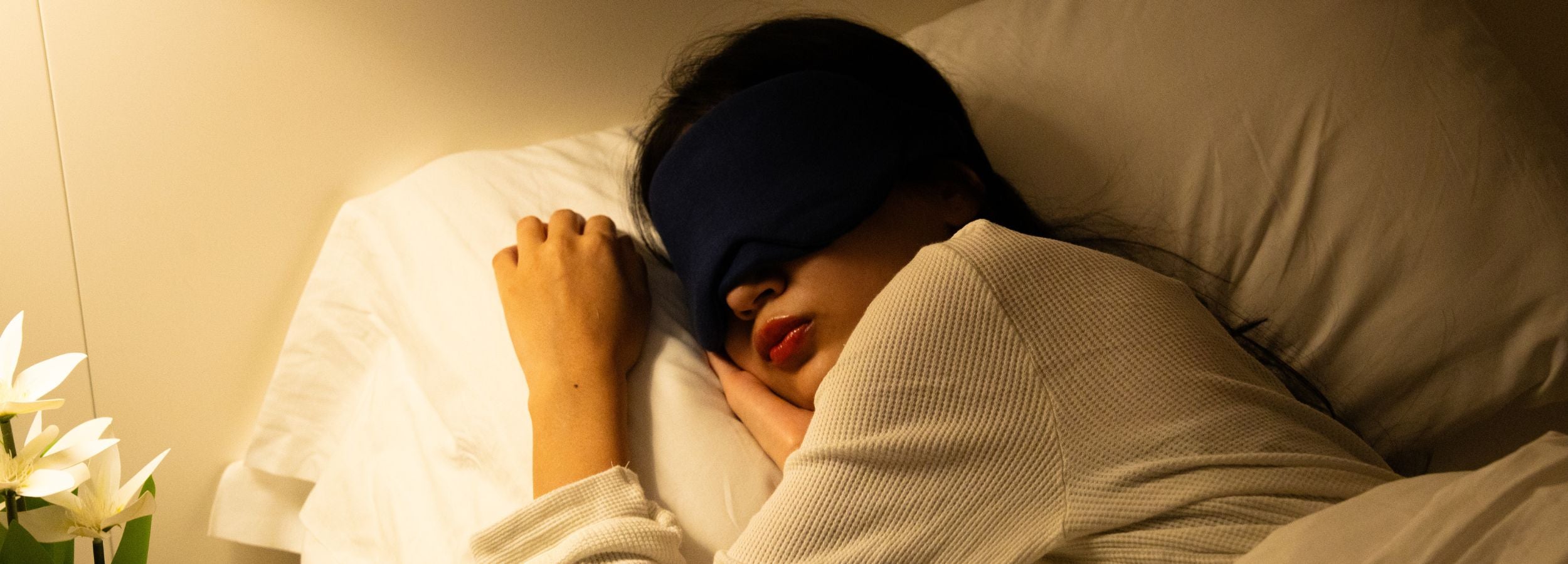
How to Wind Down Before Bed: A Simple Routine That Supports Sleep Readiness
Learn a simple bedtime wind-down routine with gentle cues that may help you feel more ready for sleep, without overcomplicating your night.
Read more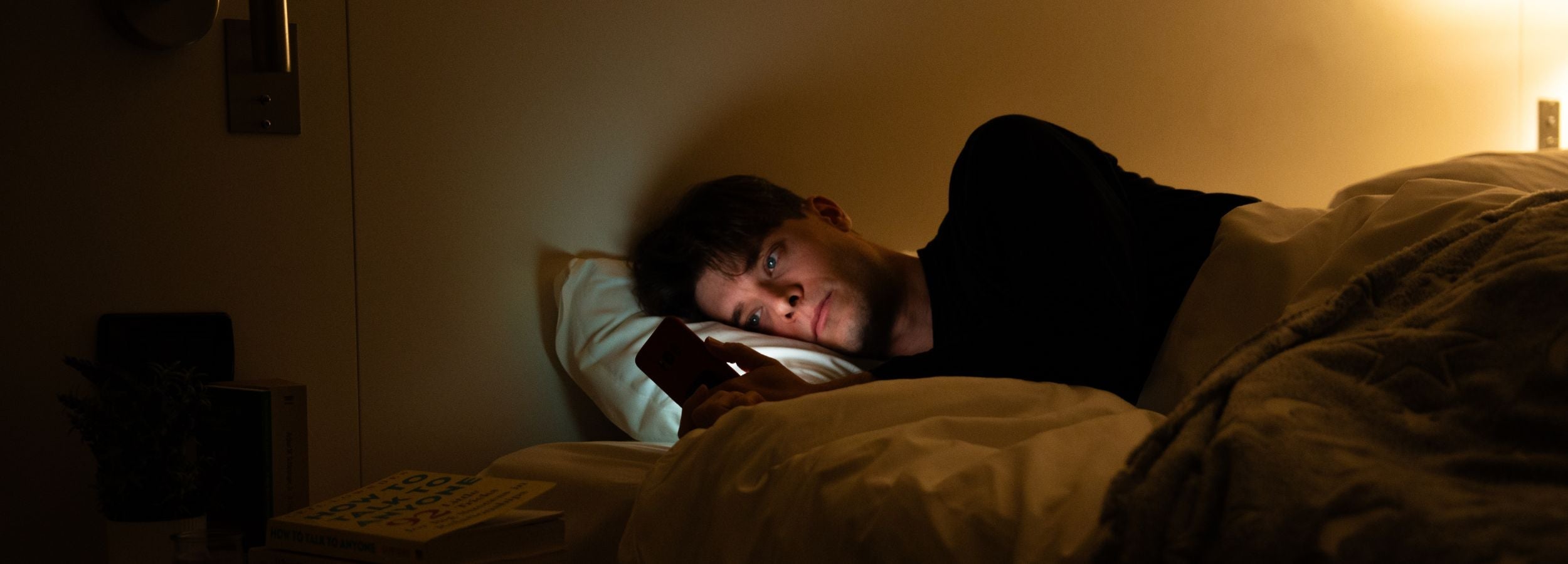
Waking Up at 3AM? 9 Science-Backed Ways to Fall Back Asleep
Night waking is common, the goal is to reduce arousal so your body can return to sleep. Your biggest lever at 3AM is light + attention: keep both low (no bright screens, no clock-checking). Use ...
Read more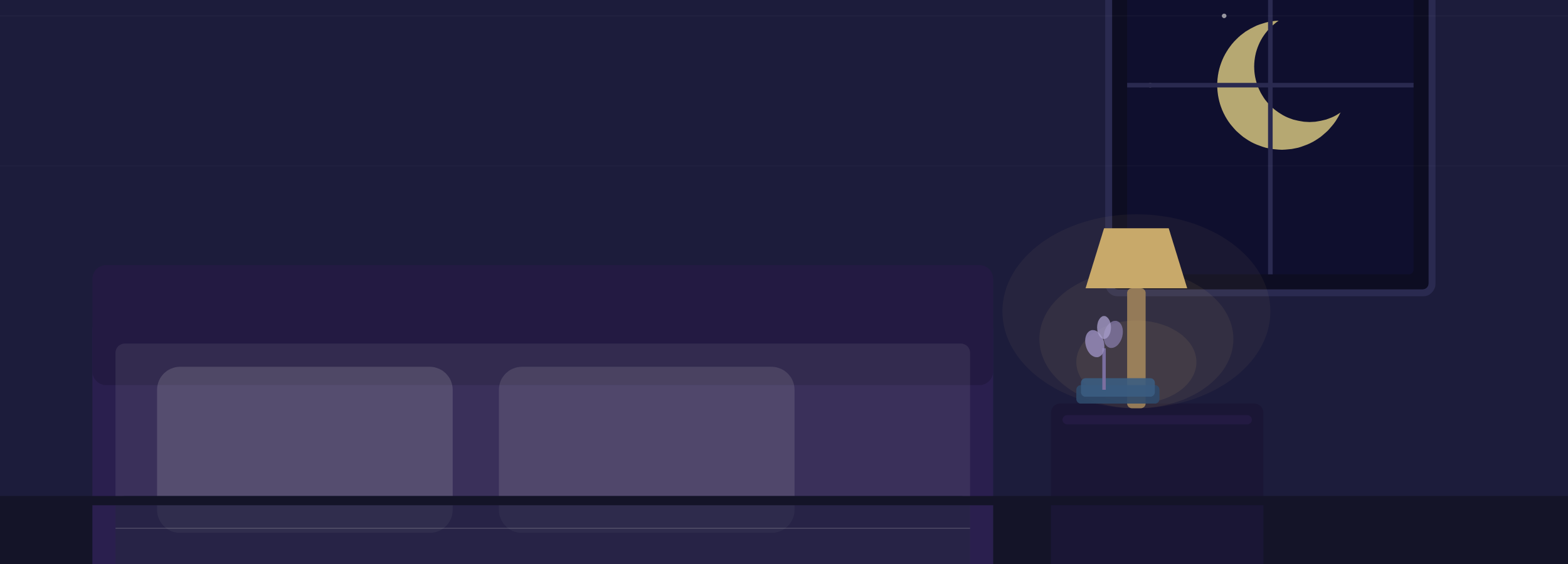
How to Fall Asleep Faster: A Simple Wind-Down That Actually Fits Real Life
Falling asleep isn’t just about being tired, it’s about helping your brain transition into sleep. A wind-down works best when it’s repeatable, not perfect. Use sleep cues (small, consistent s...
Read more
Best Bedroom Temperature for Deep Sleep
Temperature plays a bigger role in your sleep than you might think.Research shows that your body’s circadian rhythm depends on a nightly drop in core temperature to trigger deep rest. When your bed...
Read more
The Sleep Crisis in Massachusetts — And What’s Behind It
Massachusetts is facing a growing sleep crisis — with more than one in three adults getting less than seven hours of rest each night. From the pressures of Boston’s fast-paced professional and acad...
Read more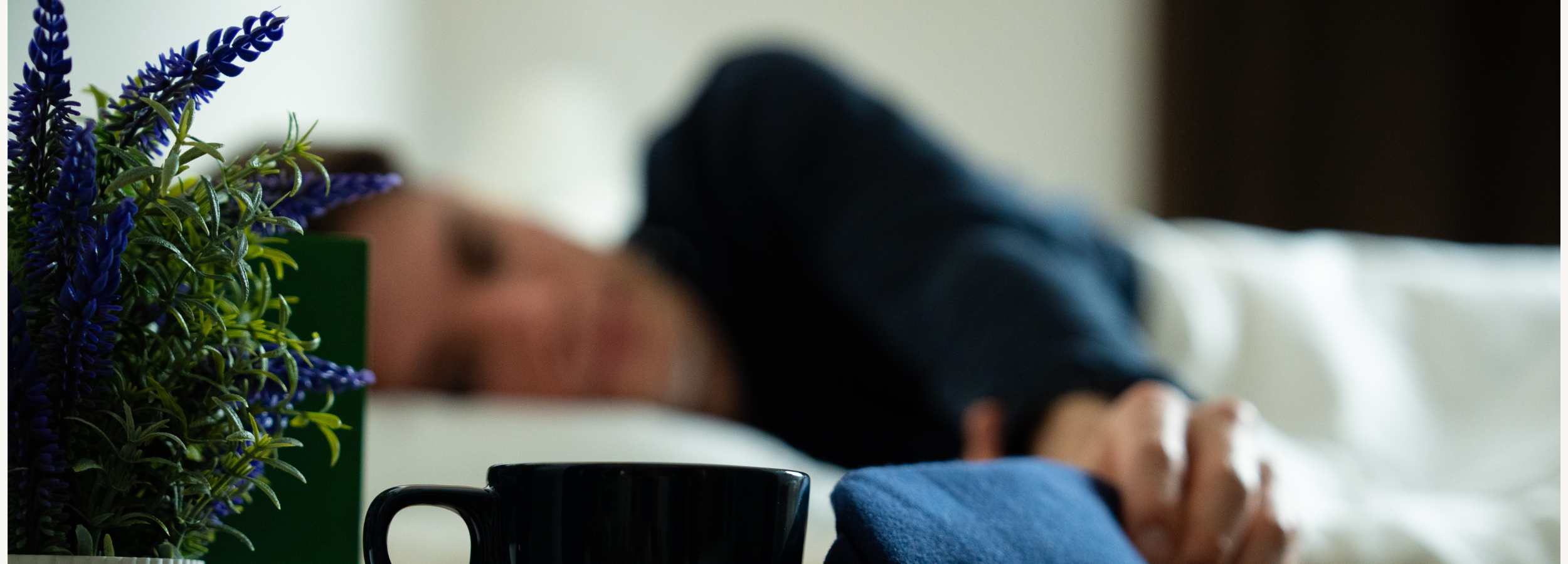
Lavender and Sleep: the Science Behind the Scent
Lavender isn’t just a soothing scent — it’s science at work. Studies show that inhaling lavender activates the parasympathetic nervous system, lowers heart rate, and enhances deep sleep. From its k...
Read more
Why Alcohol Disrupts Your Sleep More Than you Think
Alcohol might make you fall asleep faster, but it quietly sabotages your rest. Studies show that even moderate drinking disrupts REM sleep, increases nighttime awakenings, and weakens your body’s n...
Read more
The 3-2-1 Rule for Sleep is a simple, science-backed method to help you unwind naturally at night: stop eating 3 hours before bed, stop working 2 hours before, and turn off screens 1 hour before. B...
Read more